-
UID: 1569053 
-
- 注册时间2012-06-21
- 最后登录2026-06-22
- 在线时间24136小时
-
- 发帖189680
- 搜Ta的帖子
- 精华2
- 金币701329
- 道行20100
- 原创769
- 奖券545
- 斑龄0
- 道券30
- 获奖0
-
访问TA的空间加好友用道具

UID: 1569053
- 发帖
- 189680
- 金币
- 701329
- 道行
- 20100
- 原创
- 769
- 奖券
- 545
- 斑龄
- 0
- 道券
- 30
- 获奖
- 0
- 座驾
-
- 设备
-
- 摄影级
-
在线时间: 24136(小时)
注册时间: 2012-06-21
最后登录: 2026-06-22
|
—
本帖被 xgch 执行加亮操作(2026-06-22)
—
设计单位
6717 Studio
地址
越南
建筑面积
350 m²
项目年份
2024
摄影
Hiroyuki Oki
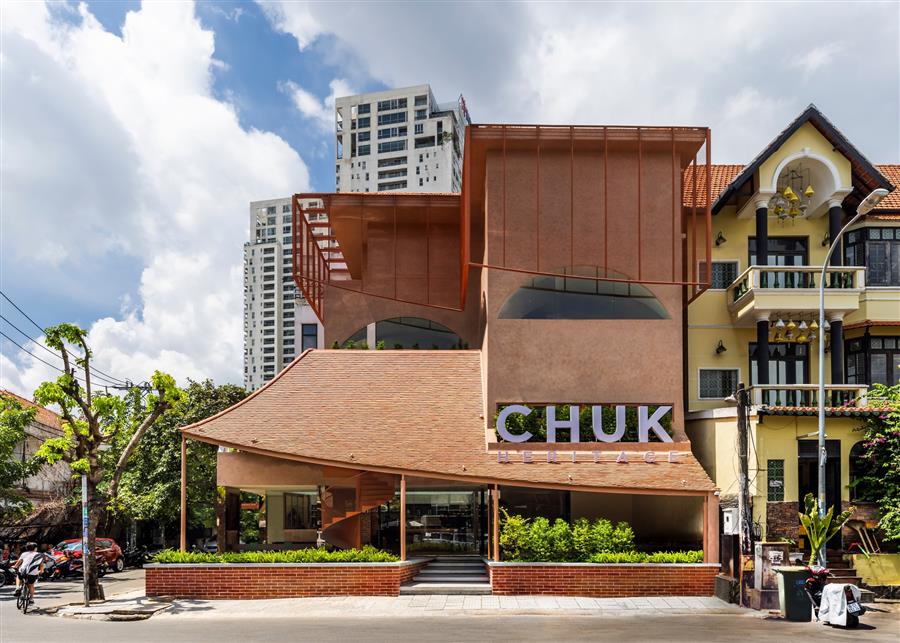
位于38街和宣翠在Thao Dien,胡志明市的十字路口,一个充满活力的地区,以其繁华的咖啡馆和餐馆而闻名。楚遗产是一个独特的文化和美食目的地。这个综合空间汇集了两个品牌,CHUK TEA & COFFEE和BÁNH MÌ ƠI,提供越南茶,咖啡和越南茶,该项目体现了客户的愿景,同时表达了品牌的故事,不仅仅是一个咖啡馆,而是一个文化中心,提供多样化的体验,将人与自然联系起来。它反映了可持续发展的愿景,有助于在快速城市化中保持身份。
Located at the intersection of Street 38 and Xuan Thuy in Thao Dien, Ho Chi Minh City, a vibrant area known for its bustling cafes and eateries. Chuk Heritage is a unique cultural and culinary destination. This integrated space brings together two brands, CHUK TEA & COFFEE and BÁNH MÌ ƠI, offering Vietnamese tea, coffee, and banh mi. The project embodies the client's vision while articulating the brand's story not just as a café, but as a cultural hub that provides diverse experiences and connects people with nature. It reflects a sustainable vision and contributes to preserving identity amid rapid urbanization.
作为一个改造项目,该结构保留了现有的框架,但经过了全面的改造,以满足功能和审美的需求。它在该地区留下了积极的印记,与城市发展的步伐产生了共鸣。
As a renovation project, the structure retains its existing framework but undergoes a comprehensive transformation to meet both functional and aesthetic demands. It makes a positive mark on the area, resonating with the pace of urban development.
最引人注目的特点是受越南传统建筑启发的宽敞屋顶。屋顶在十字路口的拐角处优雅地弯曲并向外延伸,不仅是建筑的焦点,而且是室内外空间的桥梁,吸引人们的注意力,促进与街景的互动。这个屋顶也连接到二楼,形成一个微风轻拂的阳台,为客人提供灵活、清爽的体验。这个设计不仅仅是对传统形式的象征性致敬,而是体现了创新精神和更深层次的文化探索。因此,阴凉的阳台、反光的水面和低矮的座位等元素被结合起来,唤起怀旧的感觉,并为游客提供温暖、欢迎的姿态。
The most striking feature is the expansive roof inspired by traditional Vietnamese architecture. Gracefully curved and extending outwards at the corner of the interp, the roof not only serves as an architectural focal point but also bridges the interior and exterior spaces, attracting attention and fostering interaction with the streetscape. This roof also connects to the second floor, forming a breezy veranda that offers guests a flexible, refreshing experience. More than a symbolic nod to traditional form, this design embodies the spirit of innovation and a deeper cultural exploration. Thus, elements like shaded verandas, reflective water surfaces, and low seating are incorporated to evoke a sense of nostalgia and offer a warm, welcoming gesture to visitors.
室内设计通过使用天然材料,如木材、水磨石、原混凝土和手工瓷砖,使传统与现代相协调,营造出一种简单和熟悉的感觉。镜子和玻璃元素被策略性地放置,以增强空间体验,模糊现有的结构柱,创造一个开放和连贯的内部。
The interior design harmonizes tradition and modernity through the use of natural materials such as wood, terrazzo, raw concrete, and handcrafted ceramic tiles, fostering a sense of simplicity and familiarity. Mirrors and glass elements are strategically placed to enhance the spatial experience and obscure existing structural columns, creating an open and coherent interior.
从阳台延续弯曲形式的语言,三楼变成了一个宁静的私人工作空间,具有独特的拱形天花板和开放式玻璃窗的融合,提供了一个充满光线和现代氛围。
Continuing the language of curved forms from the veranda, the third floor transforms into a tranquil, private workspace featuring a unique blend of vaulted ceilings and open glass windows, offering a light-filled and contemporary atmosphere.
Chuk Heritage不仅仅是一个咖啡馆,它是一个文化空间,在城市转型的中心保留了越南的身份。该项目提供了丰富的多感官体验和与自然的有意义的联系,丰富了每位客人的情感之旅。
Chuk Heritage is more than just a café, it is a cultural space that preserves Vietnamese identity in the heart of urban transformation. The project delivers a rich, multi-sensory experience and a meaningful connection to nature, enriching the emotional journey of every guest.
项目图纸▲区位图 ▲平面图 ▲剖面图 在深圳宝安区,中国手机巨头Vivo的深圳总部大楼,以极具个性化的造型,成为新的地标!
大楼坐落于深港合作区核心位置,紧邻沿江高速,距宝安国际机场仅十分钟车程,直面伶仃洋的广阔海景。项目总投资28亿元,建筑面积达13.3万平方米,高150米,地上32层、地下5层,可容纳6000名员工。
建筑由NBBJ操刀,设计灵感来源于Vivo以其高品质摄像头闻名的智能手机。整座塔楼最引人注目的,是层层楼板围绕核心筒逐级旋转,每层以细微斜角错位,最终形成一道连续攀升的360度螺旋露台。
这组动态的挑台,远观如相机光圈的开合,近看则化为一串串高度错落的中庭,将室内外、工作与自然、塔身与天空之间的边界揉碎。
正如NBBJ所言,建筑的灵魂愿景是“捕捉生活”,希望每一位员工都能在这片流动的空间里,留下职业生涯中鲜活的记忆。
立面的雕塑感与周围以玻璃为主的摩天楼群形成鲜明对照。水平延展的玻璃幕墙不仅最大化引入海湾景色,还借助自遮阳构件,在炎夏降低热辐射,在寒冬吸纳暖阳。
隐藏在穿孔金属屏风后的可开启窗扇,则顺应岭南湿润的亚热带气候,实现自然通风,大幅降低对空调系统的依赖。
裙楼处,阶梯与花坛的形态借鉴了南海沿岸的岩石海岸线。植物配置随高度而变:低层植入浅根植被,高层则选用深根树种与开花蕨类,以抵御台风季的狂风。如此,从广场到基座、从低区到高区,生态策略与建筑轮廓合而为一,不再是“建筑上点缀绿植”,而是将沿海低地森林直接编织进建筑的血脉之中。
这座塔楼,既是工作的容器,也是一座垂直生长的微缩山林。
|


